


By David Pendered
Oct. 5 – “These are not fishing tickets. They are felony charges, including racketeering,” Florida’s attorney general said after filing charges in an alleged illegal fishing operation.
Three suspects face up to 75 years in prison on charges enhanced for allegedly selling protected sea turtles. Five others face up to 70 years and two face 65 years in prison, according to a statement.
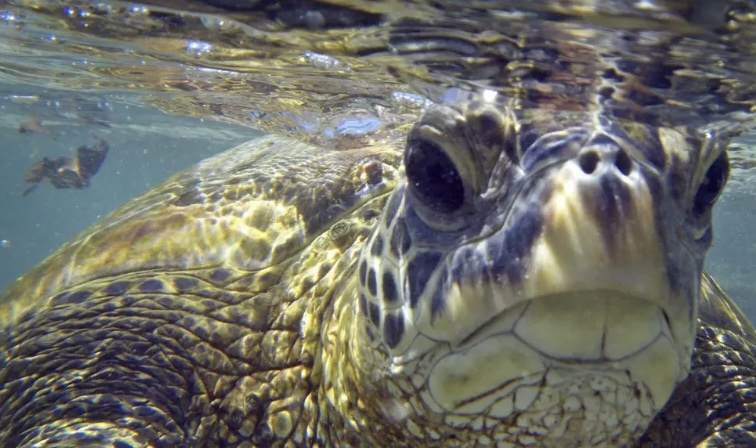
The ring is alleged to have caught and sold more than $150,000 worth of fish, shrimp and sea turtles taken illegally since 2022. The haul weighed a total of about 23,000 pounds, according to a statement released by Oct. 5 by Florida Attorney General James Uthmeier.
It’s notable that seven of the 10 suspects reside near the Apalachicola Bay, once one of the nation’s most prolific oyster grounds. Many local fishermen were thrown out of work in 2020, when Florida closed the bay to commercial oyster harvesting in hopes the depleted oyster beds could be rejuvenated by a massive restoration effort funded by the National Fish and Wildlife Foundation. Florida’s statement provided no information about the type of work the defendants did prior to arrest.
According to the statement:
- “The case started in May 2022, when investigators were looking into complaints about reef fish poaching in the Gulf of America and one of the suspects approached them about buying illegally caught fish. Investigators say the group routinely caught far more red snapper and gag grouper than allowed, then dodged reporting requirements by selling fish dockside at night, out of their homes, or through on-the-water handoffs.”
Florida Attorney General James Uthmeier said the state will prosecute poachers to the fullest extent of the law: “Those who abuse our waters and wildlife will find out how tough our laws are.”






0