


Environment
Ga. Tech wins federal award to seek critical minerals in Atlantic Seaboard PlainAugust 11, 2026
CommonFutureatl
By David Pendered
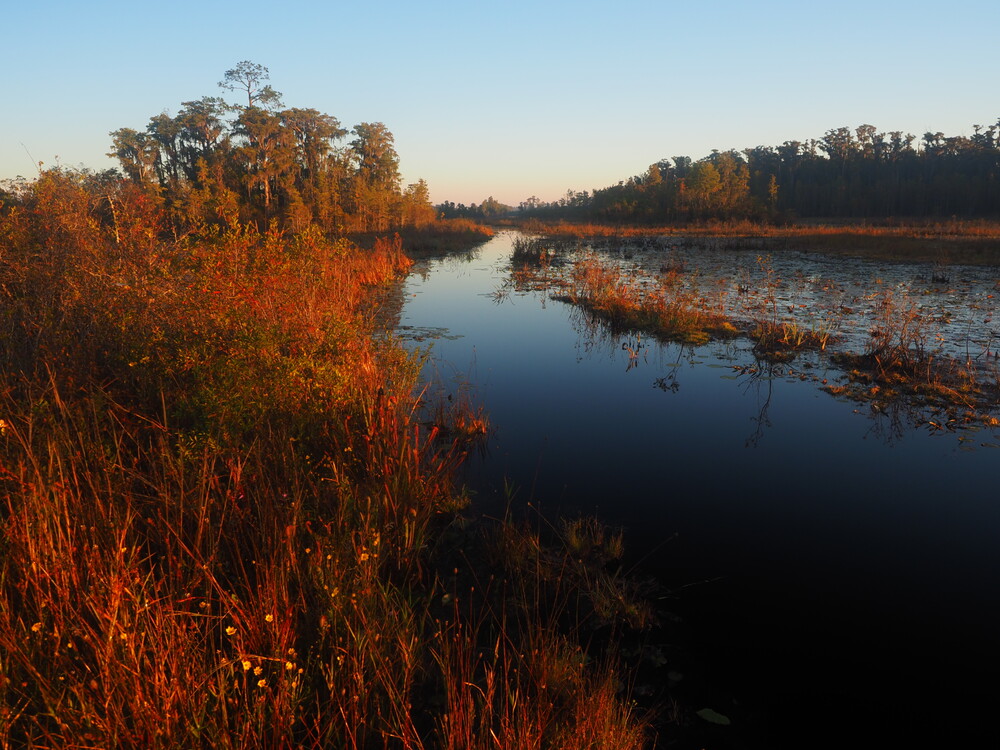
July 28 – The Muscogee (Creek) Nation in the Okefenokee Swamp included “incomparably beautiful women” and “fierce men,” according to an account of the swamp published in 1791 by William Bartram, a Quaker natural scientist.
Some 235 years after the book’s publication, UNESCO on July 25 added the swamp to the World Heritage List. The designation doesn’t provide any protections, but does emphasize that the swamp’s been deemed special by the 194 member-states of the United Nations Educational, Scientific and Cultural Organization, an agency of the UN.
Several media accounts of the listing of the swamp mention the presence of the Muscogee (Creek) Nation and provide quotes from a recent statement issued by the chief.
This story provides a link to a story that provides details of Bartram’s account of the Muscogee (Creek) in the swamp. This story appeared in CommonFutureATL.com on July 24, 2022, at the height of a great battle over a proposal to mine minerals from near the swamp that some said could cause harm to the swamp.
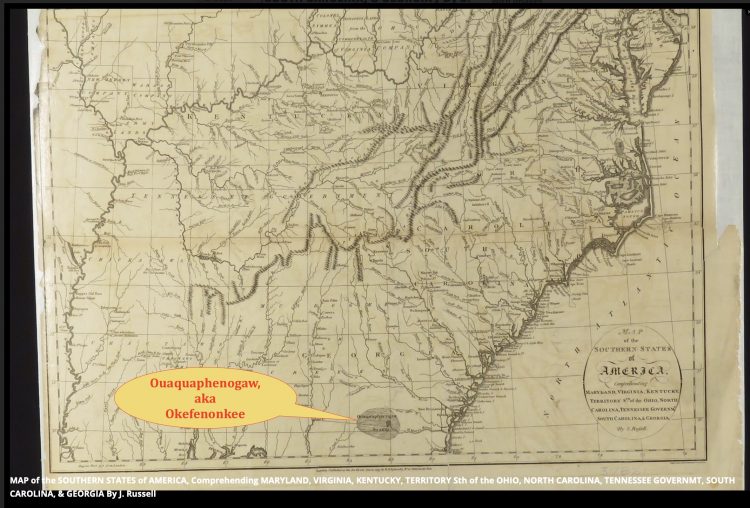
The story in 2022 notes that Bartram identifies the swamp by its name of the era, Ouaquaphenogaw, a name that also appears on a map produced in 1795 by a London cartographer, H. D. Symonds.
Bartram reports the Muscogee (Creeks) portrayed the area as a “terrestrial paradise,” an “enchanting spot” with the “most valuable hunting grounds.” The women are “incomparably beautiful” and describe their husbands as “fierce men, and cruel to strangers.” The flowery language is typical of its era and rests in a book with the grand title,
Of note, the full UNESCO designation states:



0